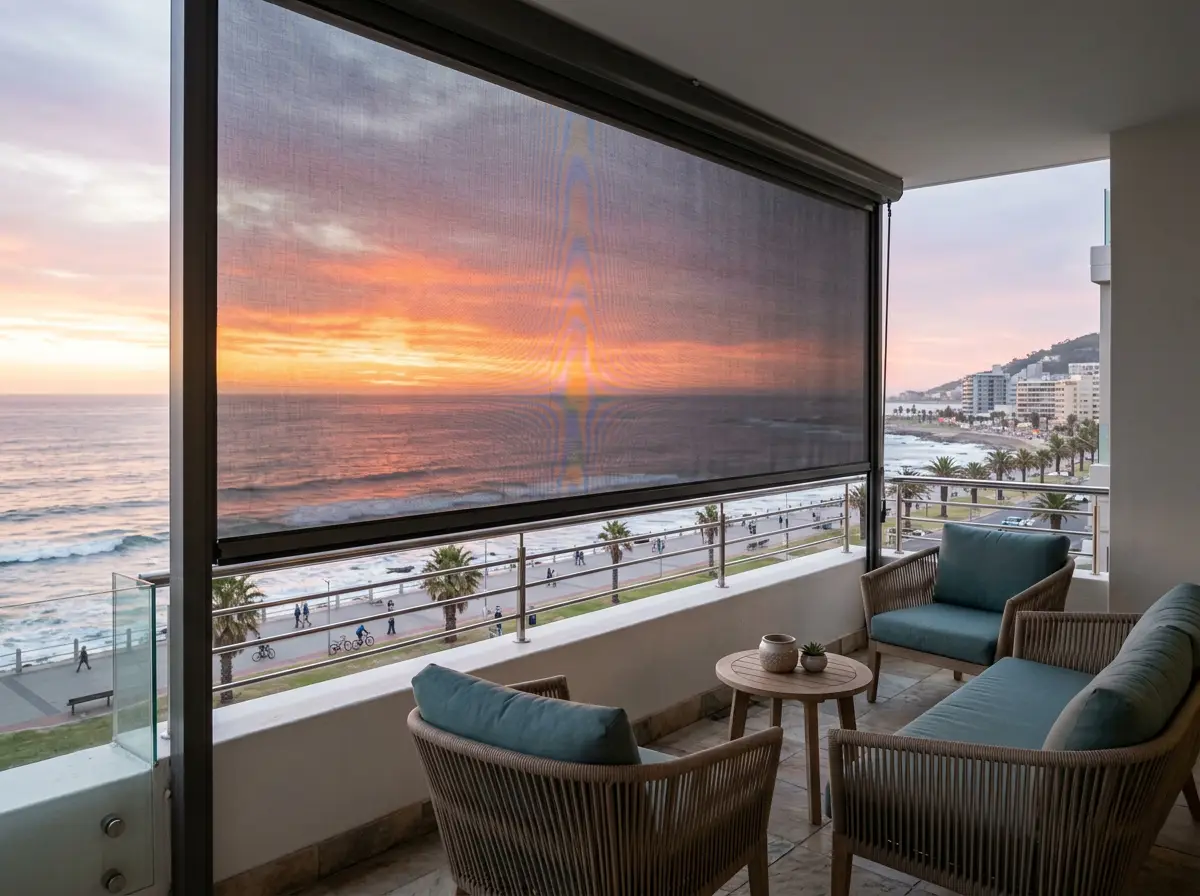
One narrow strip of apartments between the lighthouse and the breakers. Nothing on this seaboard lives closer to the water — and nothing needs its shading specified more carefully.

Mouille Point’s blocks stand shoulder to shoulder along the seafront road, with only the promenade and the rocks between the glass and the swell. On a big winter sea, spray doesn’t drift here — it lands. The old lighthouse a street away has needed its stripes repainted for over a century for the same reason.
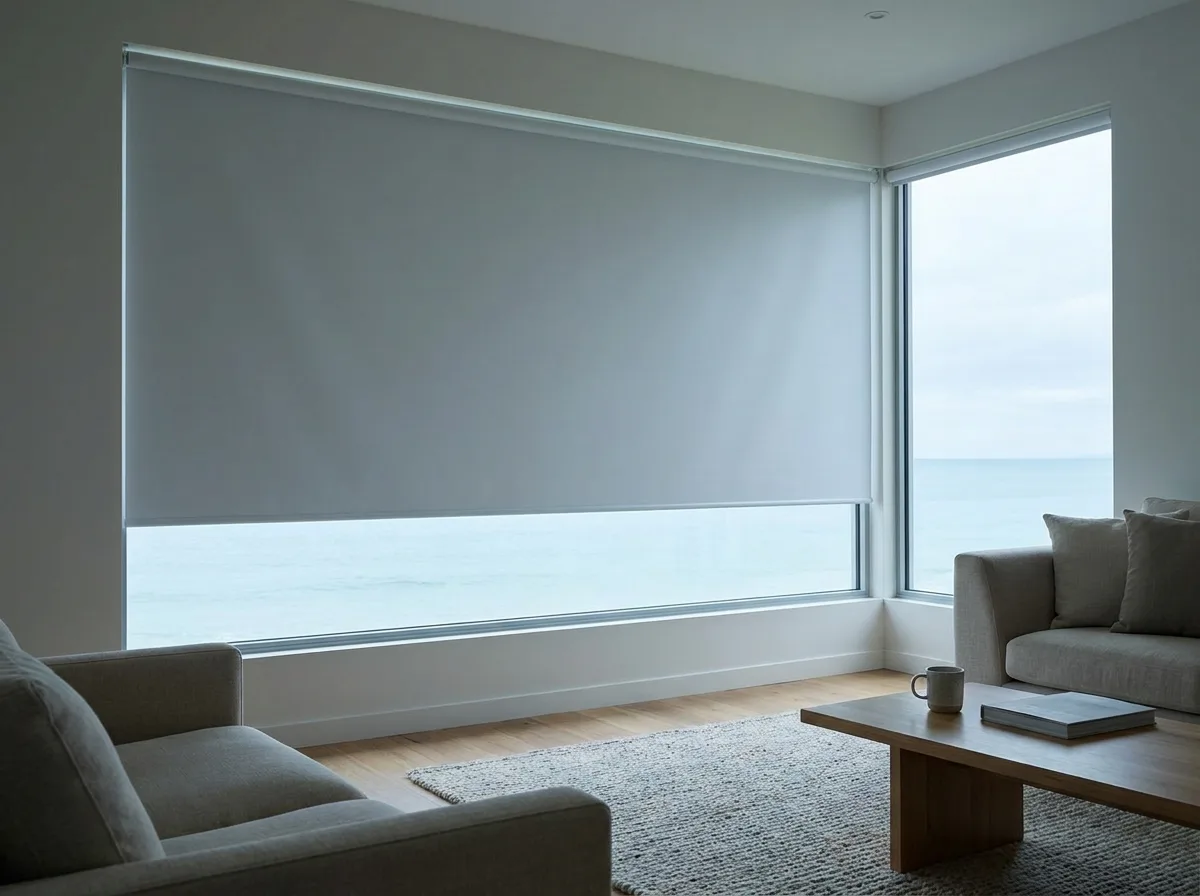
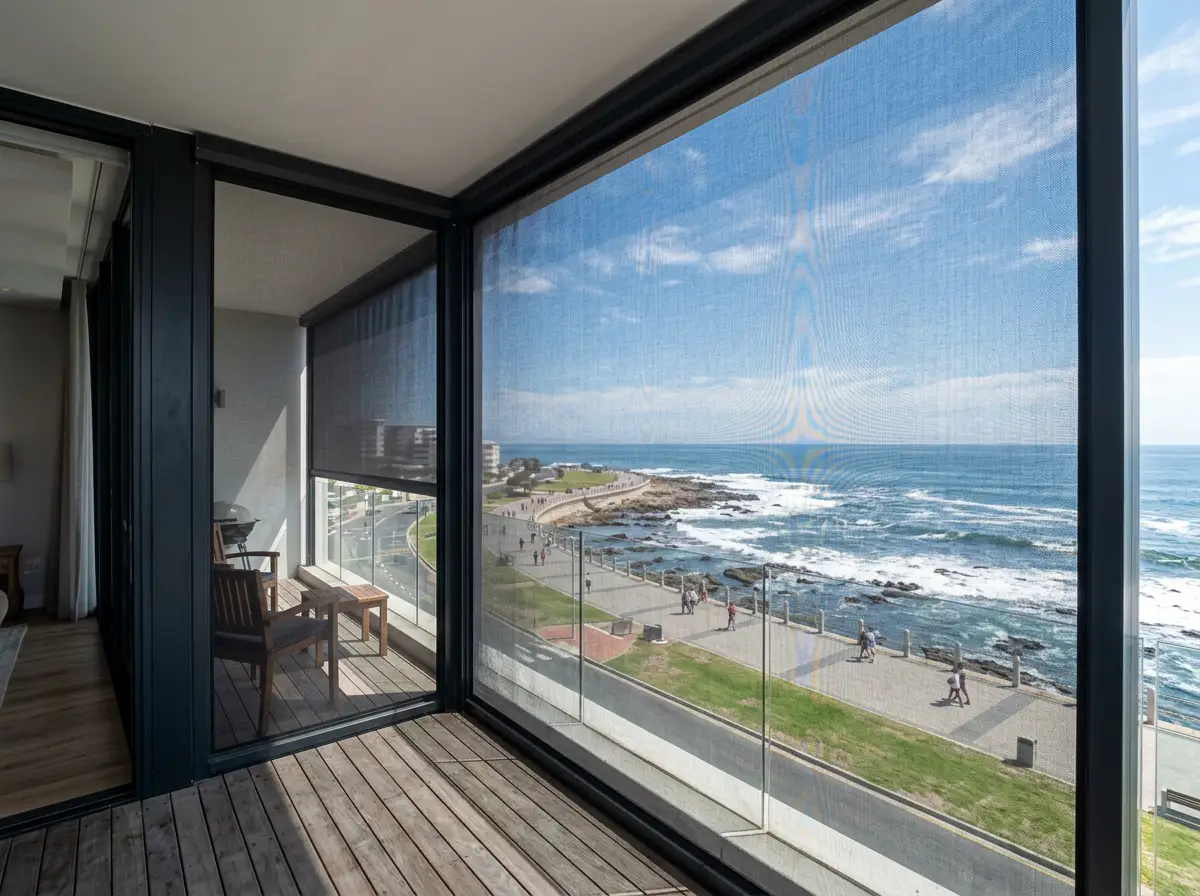
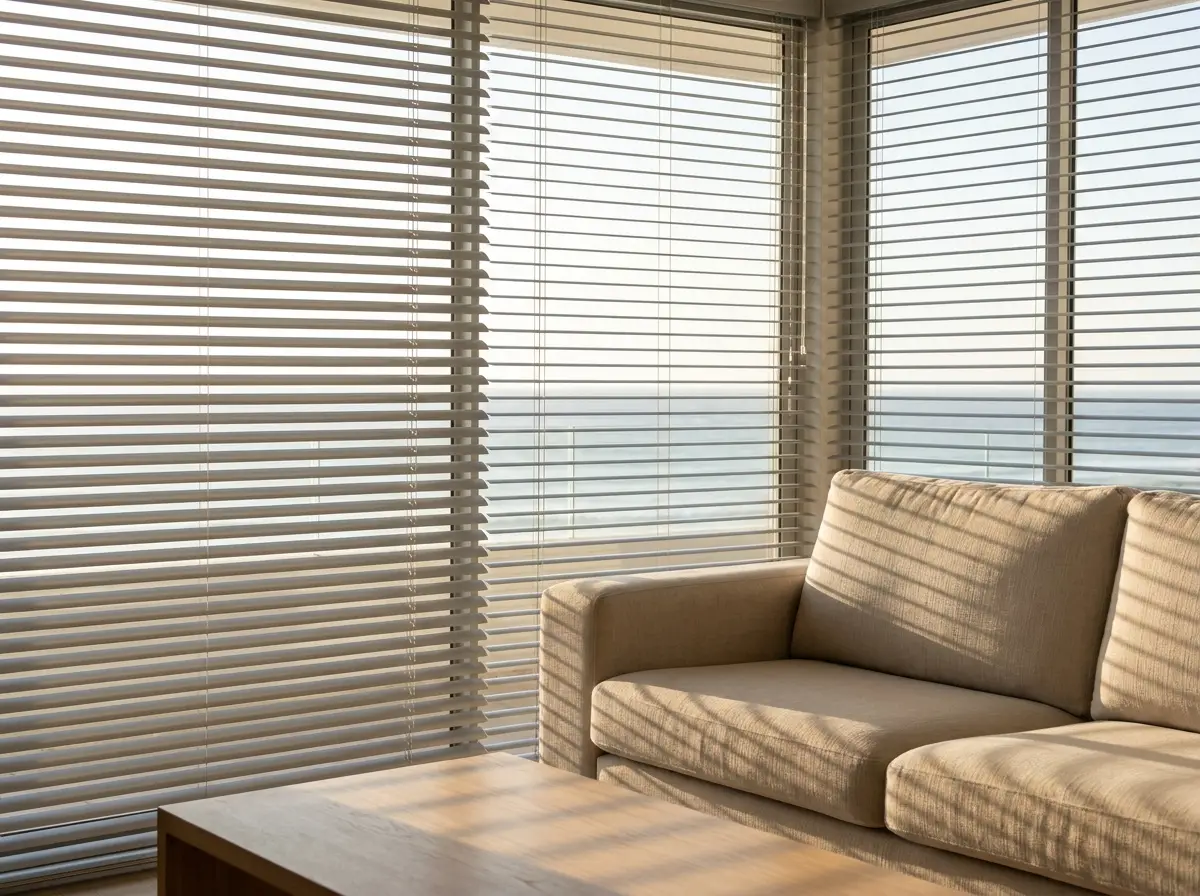
This is where our coastal specification stops being a nice-to-have and becomes the whole job: sealed cassettes so the rolled fabric never sits in salt haze, powder-coated aluminium everywhere metal shows, and honest advice about which products belong on the most exposed faces at all.
The front-row brief, product by product — confirmed window by window at the free measure.
Specified right — sealed cassettes, powder-coated aluminium, fabrics rather than bare metals on the worst faces — years, comfortably. Specified wrong, the first winter tells. The honest maintenance ask is small: a fresh-water wipe of exposed hardware every month or two. We’ll show you what to wipe at handover.
Sometimes — it depends on your face and floor. A folding-arm awning on a sheltered aspect with a wind sensor can work; on the most exposed fronts we’ll steer you to a zip screen instead, because taut, channel-held mesh handles what loose canvas can’t. We’d rather lose the sale than fit the wrong product here.
Yes. Mouille Point’s blocks guard their street face closely, and fair enough. Interior blinds rarely need approval; anything external we’ll colour-match to the building’s scheme and document for the trustees so sign-off is a formality, not a fight.
Free in-home measure, a written per-window quote, and hardware chosen for the saltiest strip on the seaboard.