Up the slopes of Signal Hill, Fresnaye trades the seafront’s spray for altitude, shelter and glass walls built to drink the sunset. The brief changes accordingly: less salt, more sun — and a lot more square metres of window.

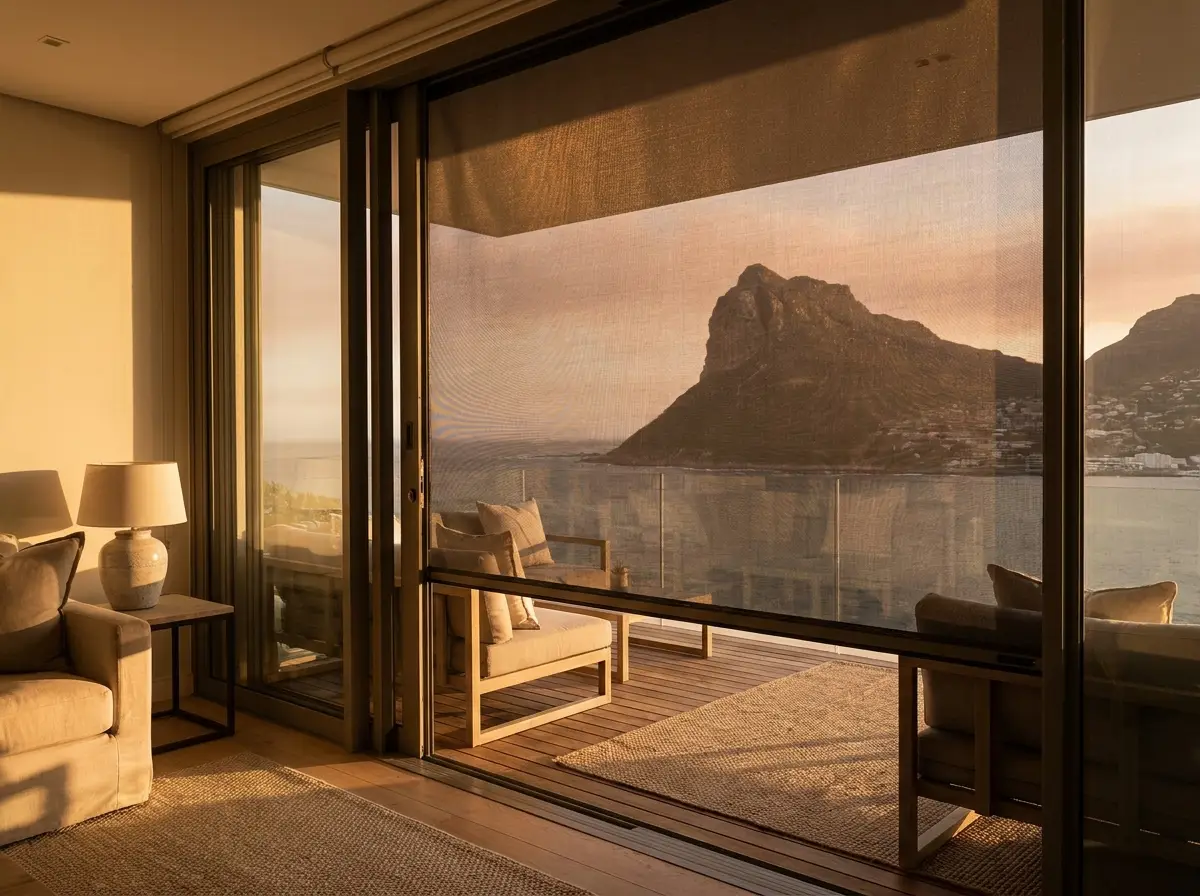
Fresnaye sits in the lee of Signal Hill, which spares it the worst of the south-easter that scours the seafront below — it’s one of the calmest pockets on the Atlantic seaboard, and its outdoor spaces actually get used. What the hill can’t block is the sun: the suburb faces dead west over the ocean, and its homes are designed as view machines — double volumes, floor-to-ceiling sliders, whole elevations of glass.
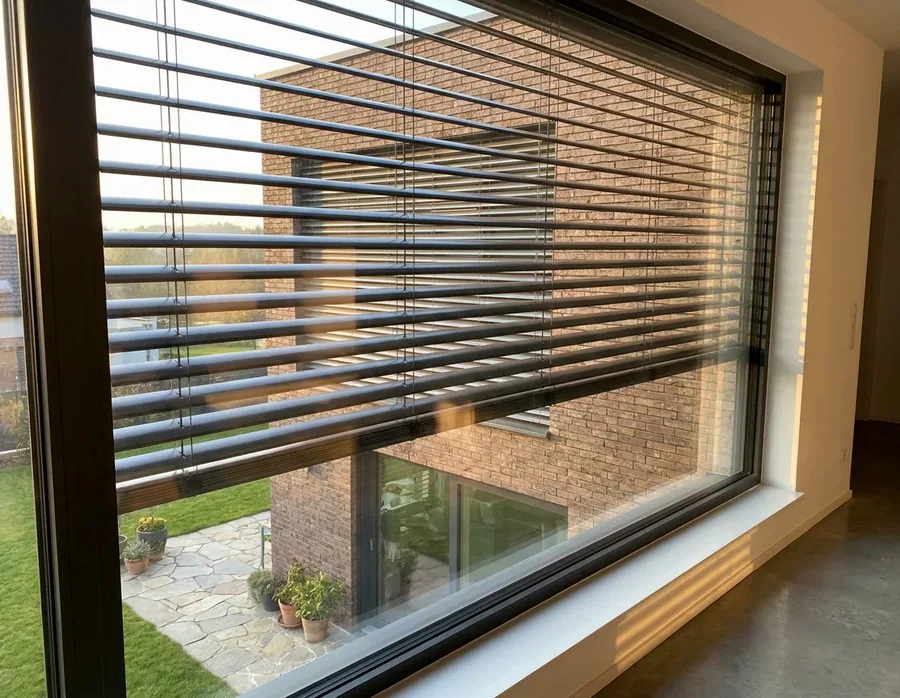
All that glass pays rent at 5pm in February. Our Fresnaye work is mostly heat-and-glare engineering at scale: stopping the worst of it before the glass where possible, taming the rest inside, and motorising anything too large or too high to move by hand.
The hillside brief, product by product — confirmed window by window at the free measure.
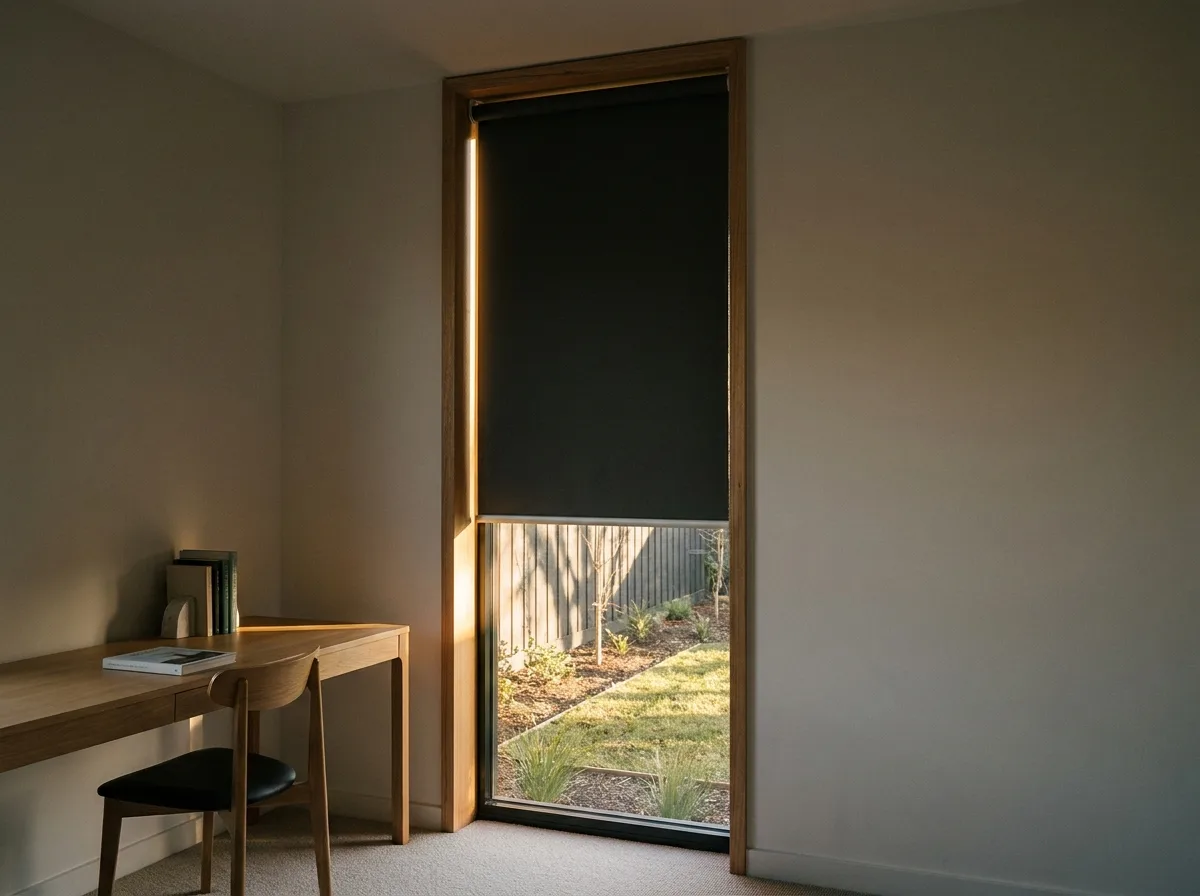
A linked pair or trio of blinds on one motor, so the tubes stay straight and the fabric tracks true — a single blind that wide is heavy, saggy and short-lived. If heat is the driving complaint, we’ll talk honestly about stopping it outside the glass first; interior fabric alone can’t un-cook a full-west room in late summer.
In Fresnaye specifically, it’s usually the practical answer rather than the indulgent one: the glass is big, some of it is high, and a schedule or sun sensor means the west wall shades itself at 3pm whether you’re home or not. Rechargeable battery motors retrofit cleanly; wired suits a renovation. We’ll cost both in the quote.
We fit it as standard anyway. Fresnaye is kinder than the seafront — noticeably less spray — but it’s still a few hundred metres from the Atlantic, and powder-coated hardware costs little next to replacing corroded components later. Better specified once than repaired twice.
Free in-home measure, a written per-window quote, and shading engineered for the size of the view.